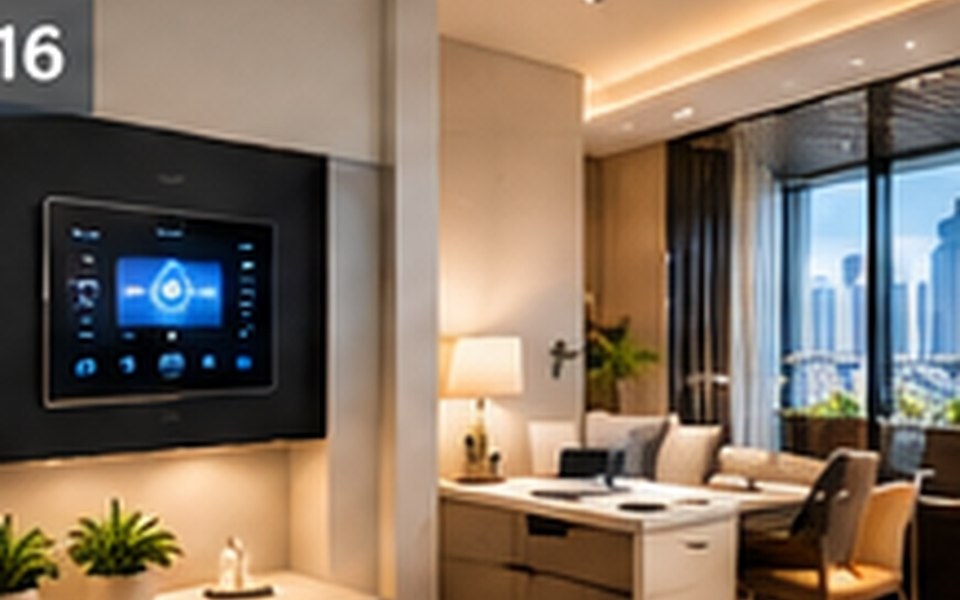
A smart villa should be easier to live in, not harder to understand. Lighting scenes, shading controls and schedules can improve comfort when they are designed around real routines and backed by sensible physical controls.
Plan intuitive villa lighting that residents, guests and staff can operate without depending on a screen. The best result begins with actual family routines, a coordinated plan and decisions that can be maintained after handover.
01 — Define the experience before selecting devices
List common moments: arriving home, family dinner, watching a film, overnight movement and leaving the villa. Write down what each room should do for those moments. This becomes a brief for the lighting and automation teams. A complicated control interface is not a substitute for clear thinking; a few well-designed scenes may serve daily life better than dozens of rarely used settings.
02 — Coordinate circuits and decorative layers
Ambient, task and accent lighting often require different control groups. Locate circuits, dimming equipment and fixtures with the electrical designer before finishes are built. Avoid placing all lighting on one automatic response when different occupants use rooms independently. For majlis and dining areas, discuss how lighting changes between formal gatherings and daily routines. Physical switch positions should make sense to visitors as well as residents.
03 — Plan resilience, privacy and ownership
Ask the integrator what still works when the network is unavailable or an app account changes. Request documentation of programming, equipment locations and access permissions. Consider privacy for cameras, voice assistants and remote access. Provide a clear responsibility for updates and maintenance so the owner is not dependent on undocumented settings. A system should remain usable years after installation.
How this works in an Abu Dhabi villa
Imagine a family member walking in after midnight. They need an understated arrival pathway, not a whole-house lighting display. Test how the same route works if the internet is down. The resulting design may favour a physical scene button near the door and softly illuminated stair lighting over complex automatic behaviour that surprises occupants.
Design decisions to review
Use a focused decision review before approving expensive finishes, joinery and technical packages. Each point should be translated into an identifiable drawing, material sample or test that the project team can explain.
| Design focus | Owner question | Evidence to request |
|---|---|---|
| Define the experience before selecting devices | Write five real daily lighting scenarios. | List common moments: arriving home, family dinner, watching a film, overnight movement and leaving the villa. |
| Coordinate circuits and decorative layers | Define circuit groups by room activity. | Ambient, task and accent lighting often require different control groups. |
| Plan resilience, privacy and ownership | Locate intuitive physical controls. | Ask the integrator what still works when the network is unavailable or an app account changes. |
What to confirm before approval
The owner should receive a concise list of scenes and what each wall button does. Ask the systems integrator to demonstrate normal use, guest use and what happens during a network interruption. Coordinate lighting and shade equipment before joinery and ceilings are sealed. Keep access permissions, programming files and support contacts documented. Sophistication comes from an understandable experience and a reliable maintenance path, not the number of screens installed in the villa.
Practical checklist
Use this list during the concept and design-development review. Record who is responsible for each action and when it will be checked.
- Write five real daily lighting scenarios.
- Define circuit groups by room activity.
- Locate intuitive physical controls.
- Test network failure and manual overrides.
- Document access rights and system backups.
- Commission scenes with actual residents present.
Frequently asked questions
Does every smart villa need voice control?
No. Reliable wall controls and thoughtfully designed scenes may be more appropriate for some households.
Can lights work when the internet fails?
That depends on the system. Ask the integrator to demonstrate offline functionality before approval.
What documents should be handed over?
Owners should receive equipment details, circuit and control maps, user guidance, permissions and a support plan.
Technology is successful when people stop noticing it and simply enjoy the right atmosphere at the right moment.