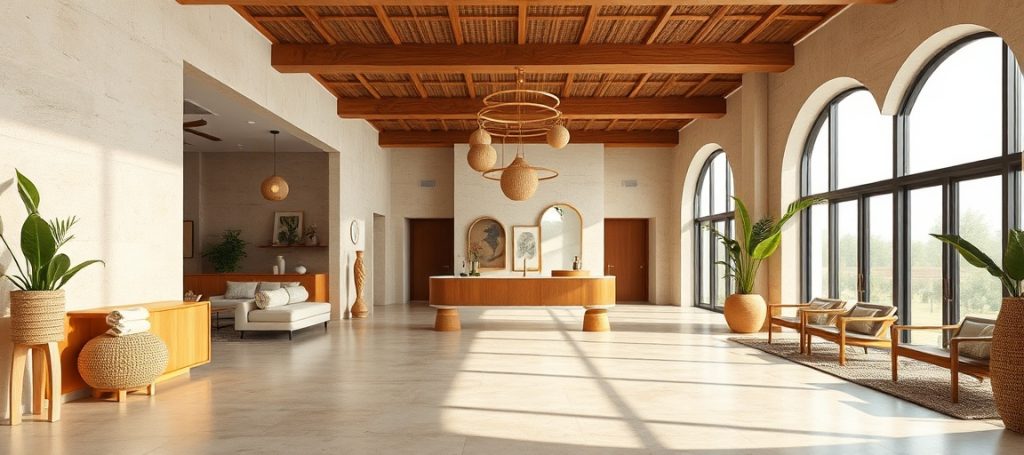
Villa Interior Design in Abu Dhabi: Crafting Luxurious Living Spaces
Villa interior design in Abu Dhabi has evolved into a sophisticated blend of modern luxury and timeless Arabic heritage. As the capital of the UAE continues to grow as a global hub, homeowners are seeking interiors that reflect both their personal style and the city’s opulent skyline. Moreover, the demand for bespoke living spaces has never been higher, turning every villa into a personal sanctuary that balances comfort with grandeur.
Whether you are renovating a seaside property on Saadiyat Island or a contemporary home in Al Raha Beach, the key is to create a cohesive narrative. Therefore, this journal explores the leading design directions, material palettes, and practical tips that define high-end villa living in the emirate. Furthermore, we delve into how local culture influences spatial planning and aesthetics, ensuring your home feels authentically connected to its environment.
The Hallmarks of Modern Abu Dhabi Villa Aesthetics
Contemporary villa interior design in Abu Dhabi prioritizes open-plan layouts that maximize natural light and offer seamless transitions between indoor and outdoor living. Consequently, floor-to-ceiling windows are a staple, framing views of the Arabian Gulf or manicured private gardens. This approach not only enhances the sense of space but also aligns with the region’s climate, allowing for better ventilation and a connection to nature.
Embracing Natural Materials and Earthy Tones
In 2025, the trend leans heavily towards organic materials. High-end projects are incorporating textured limestones, warm woods, and brushed brass to add depth and warmth to expansive rooms. Additionally, neutral palettes of sand, beige, and soft ivory serve as a canvas for statement furniture pieces. However, to avoid a sterile look, designers are layering in rich textures such as linen, wool, and leather, which invite touch and create a sense of understated luxury.
Smart Home Integration and Sustainable Luxury
Furthermore, modern villas in Abu Dhabi are becoming smarter and more sustainable. Integrated automation systems for lighting, climate control, and security are no longer optional but essential, offering convenience at the touch of a button. Meanwhile, sustainability is playing a pivotal role, with many villa owners opting for energy-efficient fixtures and sustainably sourced materials. This conscientious approach is reshaping the industry, proving that luxury and environmental responsibility can coexist beautifully.
Integrating Cultural Heritage with Contemporary Flair
One distinct aspect of villa interior design in Abu Dhabi is the subtle incorporation of Arabic heritage. Mashrabiya screens, intricate geometric patterns, and bold arches are being reimagined in minimalist ways. For instance, a modern villa might feature a custom-designed brass lattice partition instead of a traditional wall, creating privacy without compromising on light. This fusion respects tradition while appealing to contemporary tastes.
- Bespoke Joinery: Custom-built cabinetry and paneling that hide storage seamlessly.
- Statement Lighting: Sculptural chandeliers that act as focal points in double-height lobbies.
- Outdoor Living: Covered terraces with outdoor kitchens and fire pits, extending the living space.
- Luxury Textiles: Curtains and rugs sourced from high-end European ateliers.
Navigating Space and Privacy
Given the family-centric culture in the Emirates, spatial planning is crucial. Designers often create separate wings for parents and children, ensuring quiet retreats away from communal entertainment areas. Moreover, the majlis—a formal reception area—is a crucial component of the floor plan. Designing this space to be both impressive for guests and comfortable for family is a hallmark of skilled interior professionals in the city.
In addition to layout, the choice of wall finishes can significantly impact the mood. Venetian plaster, textured wallpapers, and even painted murals are being used to add character. As a result, each room tells a part of the owner’s story, creating a cohesive journey through the home. To ensure your project is successful, you should consult with architects early to align structural changes with interior aesthetics.
According to recent industry insights, the demand for luxury home furnishings has seen a steady increase in the Gulf region, reflecting a broader trend of investing in high-quality living spaces. Consequently, working with a trusted design partner who understands local procurement and regulations is vital. Furthermore, careful budgeting and project management are essential to avoid costly overruns. For more ideas on global luxury trends, you can read this Architectural Digest article on global interior trends. Additionally, exploring resources like Dezeen’s Interiors section can provide visual inspiration for your renovation journey.
Finalizing Your Villa Design Project
Ultimately, achieving the perfect villa interior design in Abu Dhabi requires a balance of vision, technical expertise, and local knowledge. It is wise to invest in a professional designer who can navigate the complexities of the market, from sourcing exclusive materials to supervising installation. By doing so, you secure a home that is not only aesthetically pleasing but also functional and enduring.
Moreover, ensure your brief clearly defines your lifestyle needs. Do you entertain frequently? Do you work from home? Answering these questions will guide the design direction, ensuring that your villa is a true reflection of how you want to live. Therefore, take your time with the concept phase; the planning stage is where the best ideas are born and refined.
Ready to transform your property into a masterpiece of modern Arabian luxury? Our team specializes in bespoke villa interior design in Abu Dhabi, managing every detail from concept to handover. Contact us today to schedule a private consultation and let us bring your vision to life. Share your floor plan and mood board with us, and we will craft a personalized proposal tailored to your unique aesthetic.